Most homeowners in Oklahoma don’t think about their exterior surfaces until algae streaks show up on the siding or the driveway turns a shade of green nobody asked for. That’s usually the moment someone starts Googling pressure washing vs soft washing, trying to figure out which one actually applies to their situation. The two terms sound almost interchangeable, but using the wrong one on the wrong surface can actually cause damage instead of fixing it. So let’s break this down in plain terms what each method actually does, when to use which, and how OK homeowners and business owners are handling it in real life.
What Pressure Washing Actually Does
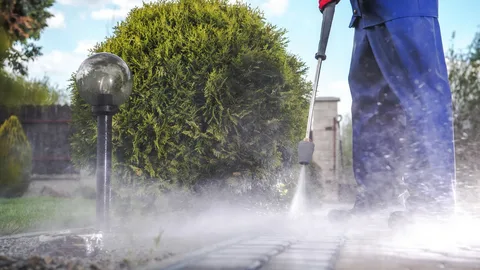
Pressure washing relies on high-pressure water often somewhere between 1,500 and 4,000 PSI depending on the equipment to blast dirt, grime, mold, and stains off tough surfaces. Think concrete driveways, brick patios, sidewalks, and garage floors. The force does the heavy lifting here, not chemicals.
A good example: a homeowner in Tulsa had a driveway with years of oil stains and tire marks. A crew running Concrete Pressure Washing equipment cleared most of it in under an hour something a garden hose or a scrub brush would never accomplish. That’s the strength of this method. It’s fast, it’s aggressive, and it works well on hard, non-porous materials.
But that same aggressive force is exactly why pressure washing isn’t universal. Point that kind of PSI at vinyl siding, painted wood, or roof shingles, and you risk stripping paint, cracking siding panels, or forcing water underneath shingles where it doesn’t belong.
What Soft Washing Actually Does
Soft washing flips the approach. Instead of relying on pressure, it uses a low-pressure spray combined with specialized cleaning solutions usually a mix designed to kill algae, mold, and mildew at the root, not just blast it off the surface. The result lasts longer because the organic growth is actually treated, not just knocked loose temporarily.
Here’s a practical case: a family in Oklahoma City noticed black streaks running down their roof shingles. That’s typically algae (Gloeocapsa magma, if you want the technical name worth verifying with a local expert since strains can vary by region). Pressure washing that roof would’ve loosened granules and shortened its lifespan. Instead, a soft washing approach cleaned the streaks without touching the shingle integrity, and the homeowner reported the roof stayed cleaner for much longer afterward compared to a neighbor who went the pressure-washing route on a similar roof.
Soft washing is generally the safer bet for delicate exteriors: stucco, painted wood, vinyl siding, and roofing.
The Core Differences, Side by Side
- Pressure washing: high force, best for hard/durable surfaces like concrete, brick, and some metal.
- Soft washing: low pressure + cleaning agents, best for delicate surfaces like siding, roofs, and painted wood.
- Damage risk is higher with pressure washing on the wrong surface.
- Results longevity tends to favor soft washing for organic growth like mold and algae, since it treats the source.
- Speed favors pressure washing for straightforward dirt and stain removal on tough materials.
Where This Gets Practical: Common Scenarios
Driveways and sidewalks. This is pressure washing territory almost every time. Concrete can handle the force, and honestly, anything less wouldn’t cut through years of grease and grime effectively.
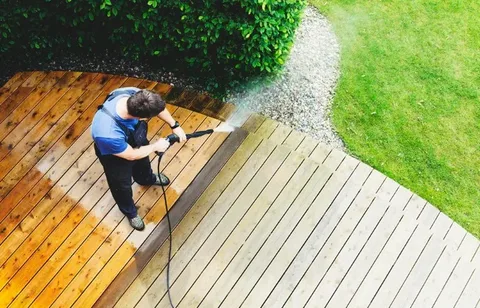
Wood decks. This one’s tricky. Pressure Washing and Sealing Wood Decks is a common combo service for a reason decks need enough force to lift dirt from the grain, but too much pressure will gouge softwood like pine or cedar. Professionals usually dial down the PSI significantly and follow up with a sealant to protect the wood from Oklahoma’s swings between humid summers and dry winters.
Roofs and siding. Soft washing, almost without exception. A roofing contractor in Norman once mentioned that pressure washing shingles is one of the fastest ways to void a roof warranty manufacturers often specify this in writing. That’s a detail worth double-checking with your specific roofing brand, but the general caution holds up across the industry.
Fences. Depends on material. Wood and vinyl fencing often benefit from Power Washing Fences with lower pressure settings, while chain-link can typically handle more force without issue.
Commercial properties. This is where things scale up. A shopping plaza in Edmond used Pressure Washing Storefronts services before a seasonal sale event first impressions matter when foot traffic is the whole point. Commercial Pressure Washing also covers parking lots, loading docks, and building exteriors, often requiring a mix of both pressure and soft washing techniques depending on the material.
Specialty and industrial jobs. Not every job is residential. Rig Washing and Oilfield Cleanup is a significant niche in Oklahoma given the state’s oil and gas industry equipment gets caked in crude, mud, and chemical residue that needs industrial-grade cleaning, not a garden-variety pressure washer. Similarly, Heavy Equipment Washing and Power Washing Trucks and Trailers keep fleet vehicles and machinery running clean and compliant with inspection standards.
Odd but common requests. Graffiti Removal usually needs a combination approach sometimes pressure, sometimes chemical treatment first, depending on the paint type and surface underneath. Professional-Grade Gum Removal from sidewalks and storefront entryways is another one people don’t think about until they’re dealing with it. And Outdoor Tile Floor Cleaning around pools or patios often calls for soft washing since tile grout can erode under high pressure over time.
One that surprises people: Expert Dryer Vent Cleaning isn’t exterior surface cleaning in the traditional sense, but many power washing services bundle it in because lint buildup is a legitimate fire hazard, and the equipment overlap makes it a natural add-on for home maintenance companies.
Cost Considerations
Pricing varies a lot based on square footage, surface type, and location within Oklahoma. As a general pattern, Residential Pressure Washing for a standard driveway might run cheaper per square foot than a full soft-wash roof treatment, partly because soft washing solutions cost more than plain water. This cost gap is actually one of the practical factors that pushes the pressure washing vs soft washing decision one way or the other for budget conscious homeowners. That said, exact pricing changes often enough that it’s worth verifying current rates with two or three local providers rather than relying on any number quoted online.
Picking the Right Power Washing Services Provider in Oklahoma
Not every company offering “pressure washing” actually understands when to switch to soft washing. Ask direct questions: What PSI do you use on siding? Do you soft wash roofs? Have you handled Commercial Pressure Washing contracts before, or mainly residential jobs? A provider who can explain the difference without hesitation is generally the safer choice it signals they’re not just running one setting on every job.
For Oklahoma homes specifically, the climate matters too. Red clay dirt, pollen season, and humidity swings all affect how often exteriors need attention and which method makes sense each time.
Wrapping This Up
Choosing between pressure washing and soft washing isn’t really about picking a “better” method it’s about matching the tool to the surface. Concrete driveways want force. Roofs and siding want a gentler chemical approach. Get that match wrong, and you could end up paying for damage instead of a clean exterior. Get it right, and your home holds up better against Oklahoma’s weather for years longer than it would otherwise.
FAQs
1. Is soft washing safe for all types of siding?
Soft washing works well on vinyl, stucco, and painted wood, but always confirm with a professional since some specialty coatings may need a modified solution mix.
2. How often should a home get pressure washed?
Most Oklahoma homes benefit from exterior cleaning once or twice a year, though homes near trees or with heavy pollen exposure may need it more frequently worth confirming based on your specific property.
3. Can pressure washing damage my roof?
Yes, high pressure can dislodge shingle granules and shorten roof lifespan, which is why most roofing professionals recommend soft washing instead.
4. What’s the difference between residential and commercial power washing services?
Commercial jobs often involve larger surface areas, storefronts, parking structures, and sometimes specialized needs like graffiti removal or fleet vehicle cleaning, while residential work focuses on driveways, siding, decks, and fences.
5. Does soft washing use harmful chemicals?
Most soft washing solutions use diluted, low-toxicity cleaners designed to kill algae and mold safely, but it’s worth asking your provider about the exact formula, especially if you have pets, gardens, or nearby water sources.