
Most people only think about their dryer when it stops working properly. Behind the machine, though, a slow problem may be building inside the exhaust duct, one load of laundry at a time. Lint, fabric fibers, and moisture collect along the vent walls until air can barely pass through. This guide explains how often to clean your dryer vent, which warning signs should never be ignored, what drives dryer vent cleaning cost, and why hiring a professional is usually the safest choice.
Why a Dirty Dryer Vent Is a Fire Risk
Every time clothes tumble in a dryer, tiny fibers break loose. The lint screen catches a portion of them, but fine particles slip past and settle inside the exhaust line. Over months, that residue forms a thick, felt-like layer that narrows the passage. When hot air cannot leave the house, heat stays trapped in the drum and the ductwork, and the dryer has to run longer to finish each load.
Lint is dry, light, and highly combustible. When a restricted vent holds high temperatures for long stretches, a single spark or an overheated component can ignite the buildup. This is why home safety organizations list failure to clean the dryer as the leading cause of dryer fires. The encouraging part is that this hazard develops slowly and predictably, so dryer vent fire prevention is simple. Remove the fuel on a regular schedule and the danger shrinks dramatically.
How Often to Clean Your Dryer Vent
The question of how often to clean the dryer vent has no single answer, because laundry habits differ from home to home. A reasonable baseline is one full vent cleaning every twelve months. That interval fits a small household that runs a few loads a week through a short, straight duct. Treat it as the minimum, not the ideal.
Larger families that wash clothes almost daily generally benefit from service about every six months. Pet owners should shorten the interval as well, since fur combines with fabric fibers and accumulates fast. Bulky items like towels, blankets, and comforters release much more lint than lightweight shirts, so a laundry routine heavy in those items calls for more frequent attention.
The layout of the duct also matters. Every bend, joint, and extra foot of pipe gives lint another place to snag. A vent that climbs through an attic or exits through the roof will clog faster than a short run to an exterior wall. Landlords and owners of short-term rentals should add vent cleaning to their maintenance calendar, ideally between tenants or on a fixed schedule, because laundry volume can be unpredictable. If you recently bought a home and have no record of the last cleaning, assume it is overdue and have the system inspected. Between full cleanings, empty the lint screen after every load.
Signs Your Dryer Vent Needs Cleaning
Dryers rarely fail without hints, and knowing the signs your dryer vent needs cleaning lets you act before a minor issue becomes a hazard. Longer drying times. If a normal load now needs two cycles, airflow is probably restricted. This is the most common early warning and the one most often dismissed.
Hot clothes that are still damp. Moist air that cannot escape stays in the drum, leaving laundry warm to the touch but not fully dry. A warm, humid laundry area. When the exhaust cannot leave the house, heat and moisture can back up into the room around the machine.
A burning or musty smell. A scorched odor is serious. Turn the dryer off and do not use it until a technician has checked it. A stale, musty smell often points to trapped moisture, which can encourage mold growth.
Lint around the vent hood. Visible lint behind the dryer or around the outside hood suggests the duct is overloaded or damaged. A stiff exterior flap. Run the dryer and watch the outside vent. The flap should open firmly. If it barely moves, the line is blocked or severely restricted.
The dryer shuts off mid-cycle. Many dryers have thermal safety cutoffs that trigger when internal temperatures rise too high. Repeated shutoffs are a strong indicator of poor ventilation.Even one of these symptoms is a reason to schedule service. If you notice several together, do not wait.
Dryer Vent Fire Prevention Habits for Every Household
Professional cleaning forms the foundation of safety, but daily habits close the gaps between visits. Clear the lint screen before or after every load, and wash it every so often with warm soapy water. Dryer sheet residue can leave an invisible film on the mesh that reduces airflow even when the screen looks clean.
Inspect the ducting behind the machine as well. Rigid or semi-rigid metal duct is the safer choice, while flimsy foil or plastic accordion tubing sags, crushes easily, and traps lint in its ridges. Keep the area around the dryer free of laundry piles, cardboard boxes, and cleaning products. Avoid running the dryer while you are asleep or away from home so you can respond quickly if something seems wrong.
Be careful with items soaked in cooking oil, gasoline, solvents, or similar substances. They can generate heat and ignite even after washing, so air-dry them instead. Also confirm that the exterior vent hood is not covered by shrubs, debris, or nesting birds, since a blocked outlet defeats even a freshly cleaned duct.
When a Professional Dryer Vent Cleaning Service Beats DIY Methods
Many homeowners try a vacuum attachment or a small brush kit. These tools can help near the machine, but they rarely reach the far end of a long duct, especially one that runs through walls, ceilings, or up to a roof. A partial cleaning may leave the most compacted lint exactly where it causes the most harm.
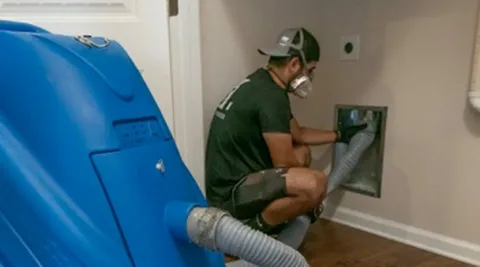
A professional dryer vent cleaning service uses rotary brushes, powerful extraction equipment, and trained judgment to clear the line from the dryer connectionto the exterior opening. Technician also catch problems a casual DIY job would miss, such as crushed sections, loose connections, damaged hoods, missing guards, or ducting that was installed improperly. Fixing those issues can improve safety even when the vent looks clean.
At Morris Pressure Washing, our expert dryer vent cleaning is built around thoroughness and clear communication. We clean the full length of the duct, confirm that air flows freely at the exterior, and explain any repairs that make sense before you commit to anything. You get a dryer that performs better and a home that is safer.
Dryer Vent Cleaning Cost: What Affects the Price
Dryer vent cleaning cost is often the first thing people ask about, and the honest answer is that it depends on your setup. Several factors influence the final price.
Duct length is one of the biggest. A short run from a ground-floor laundry room takes far less time than a long path to a rooftop exit. Accessibility matters too, since tight attic spaces, elevated terminations, and hard-to-reach connections require more time and equipment. The condition of the vent plays a role as well. A line maintained every year is quick work, while one ignored for a decade demands extra labor to break up compacted lint.
Repairs can change the total. Replacing a damaged hood, adding a bird guard, or swapping out unsafe ducting is billed separately from the cleaning itself. Properties with multiple dryers, such as apartment buildings, laundromats, or commercial laundries, are priced differently from a single-family home.
The best way to learn your actual cost is to request an estimate based on your own system. When you compare it against the alternatives, the value is clear. A routine cleaning is a small expense next to fire damage, insurance claims, or the early replacement of a dryer that has been straining against a blockage. A clear vent also helps clothes dry faster, which can reduce energy use, so the service often recovers part of its price over time.
More Than Dryer Vents: Full-Service Cleaning From Morris Pressure Washing
Dryer vent care is one part of what Morris Pressure Washing does. Our pressure washing services cover homes, businesses, and heavy industry, with equipment and techniques matched to each surface.
For homeowners, residential pressure washing refreshes siding, driveways, and walkways, while concrete pressure washing removes oil stains, mildew, and embedded grime from garages, patios, and sidewalks. We also offer pressure washing and sealing wood decks to restore color and protect the boards from moisture and sun. Power washing fences removes algae and weathering, and outdoor tile floor cleaning brings dull patios and entryways back to life.
Business owners count on our commercial pressure washing for building exteriors, parking areas, and walkways. We specialize in pressure washing storefronts so your entrance makes a strong first impression, and our professional-grade gum removal clears the stubborn spots that foot traffic leaves behind. Graffiti removal restores painted and masonry surfaces quickly, helping protect your property’s appearance.
For industrial and transport clients, we provide rig washing and oilfield cleanup, heavy equipment washing, and power washing trucks and trailers. Regular washing keeps machinery easier to inspect, reduces buildup that hides wear, and maintains a professional image. As a full-service power washing provider, we can combine several services into one visit to save you time.
Final Thoughts
A clogged dryer vent is easy to overlook because the damage builds in silence. Empty the lint screen after every load, watch for warning signs, and schedule a professional cleaning at least once a year, or more often if you have a large household, pets, or a long duct. Understanding what shapes dryer vent cleaning cost makes budgeting easier, and the expense is small compared with the potential loss from a fire. To protect your property and keep your dryer running efficiently, contact Morris Pressure Washing and request a quote today.
Frequently Asked Questions
How often should I clean my dryer vent?
Once a year is the standard minimum. Large households, pet owners, and homes with long or winding ducts should plan on cleaning about every six months. If you notice a warning sign sooner, schedule service right away rather than waiting for your next date.
How much does dryer vent cleaning cost?
The price depends on the length of the duct, how easy it is to reach, how much lint has built up, and whether repairs are needed. Long runs and rooftop exits usually cost more than short, accessible ones. Morris Pressure Washing can give you a quote based on your specific setup.
What are the signs my dryer vent needs cleaning?
Common signs include longer drying times, clothes that are hot but damp, a burning or musty smell, a hot or humid laundry area, lint around the vent hood, a stiff exterior flap, and a dryer that shuts off mid-cycle. Stop using the dryer if you smell burning.
Can I clean my dryer vent myself, or should I hire a professional?
You can empty the lint screen and clear the area behind the machine on your own. Cleaning the entire duct, however, usually requires specialized brushes and vacuum equipment. A professional dryer vent cleaning service can also inspect for damage and confirm that airflow is restored.
Does dryer vent cleaning help prevent house fires?
Yes. Removing built-up lint eliminates the fuel that ignites in most dryer fires and lets heat escape properly. Combined with regular lint screen cleaning and safe ducting, professional service is one of the most effective dryer vent fire prevention steps available.